Email us




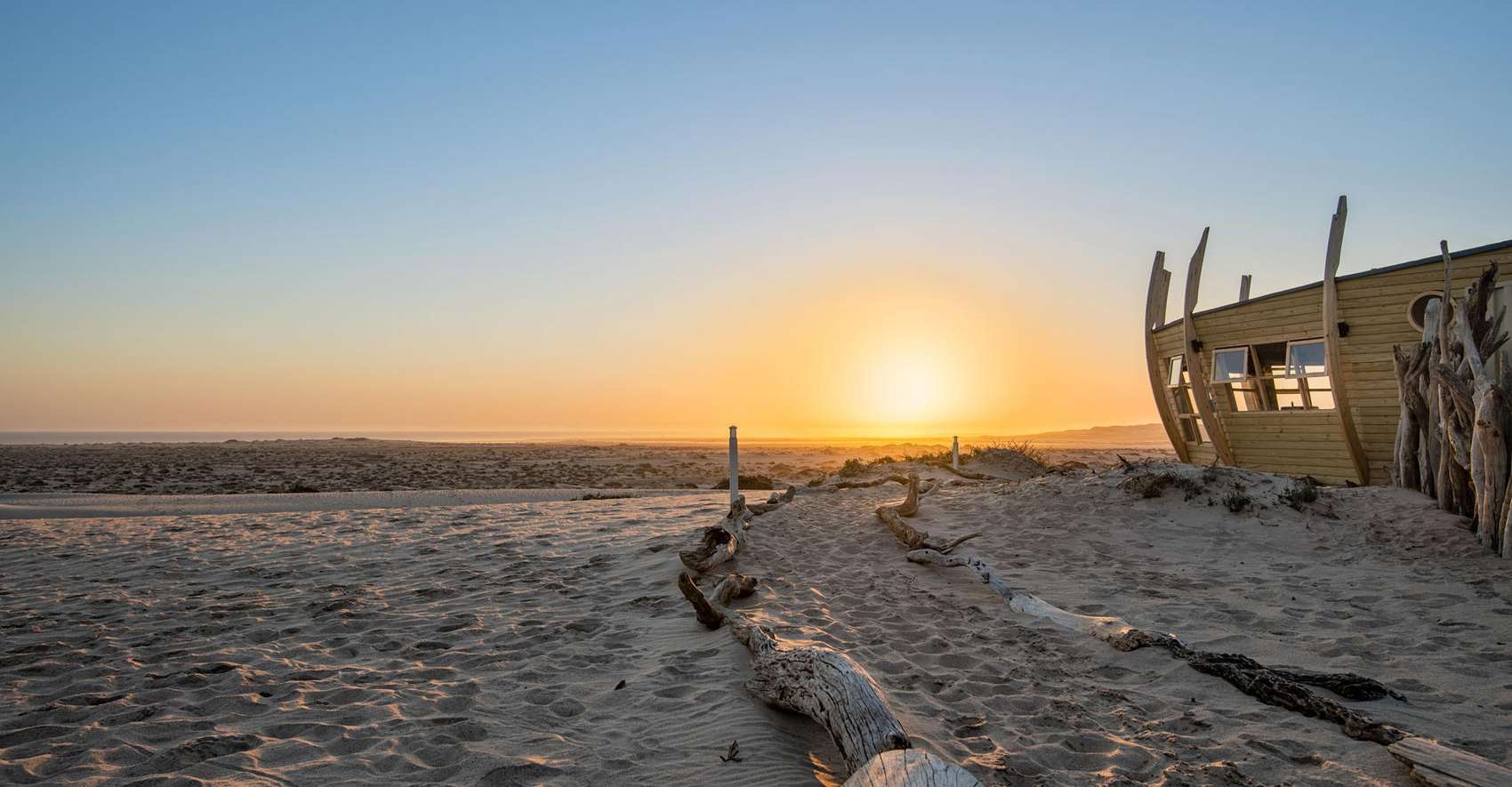

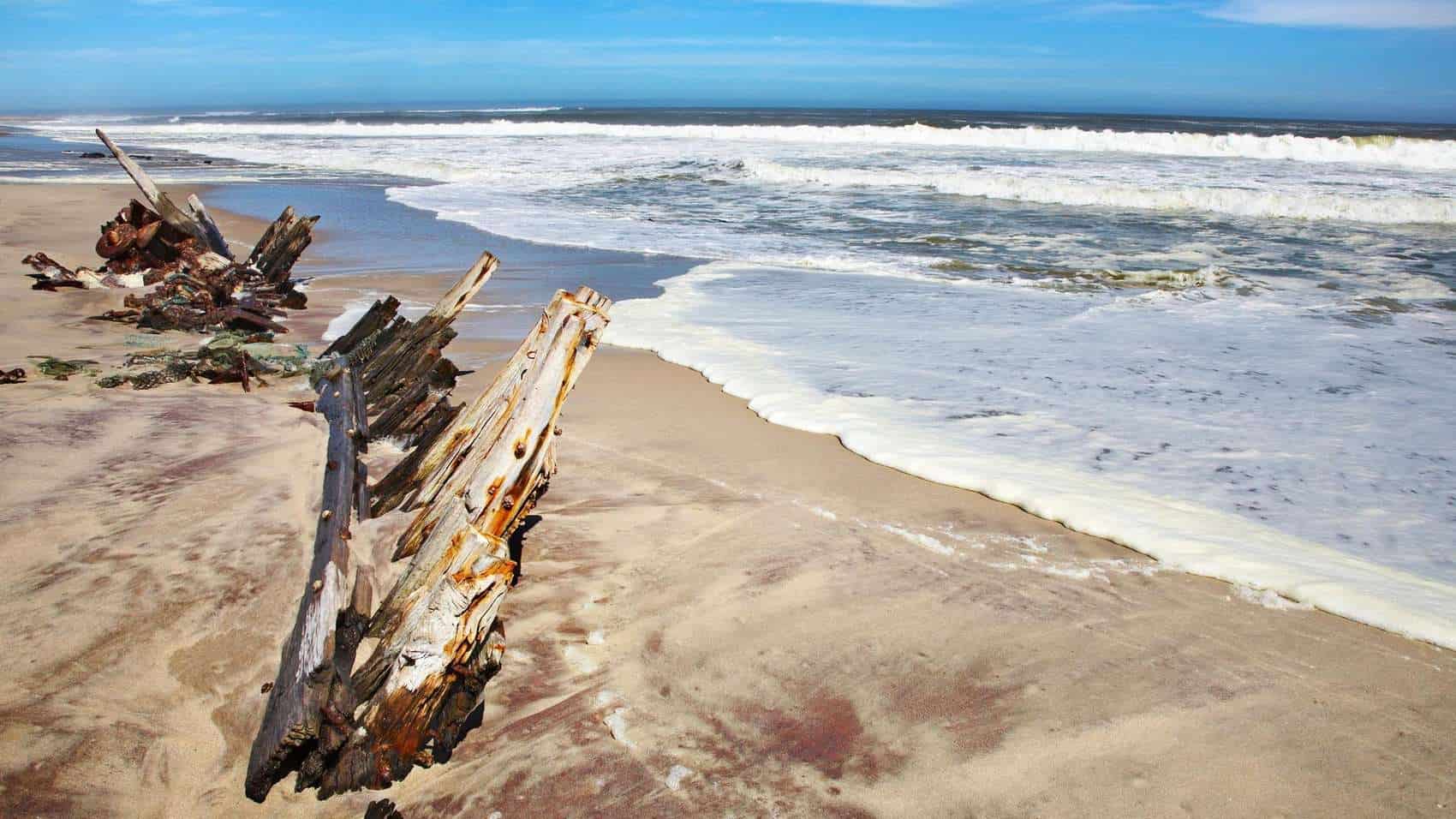
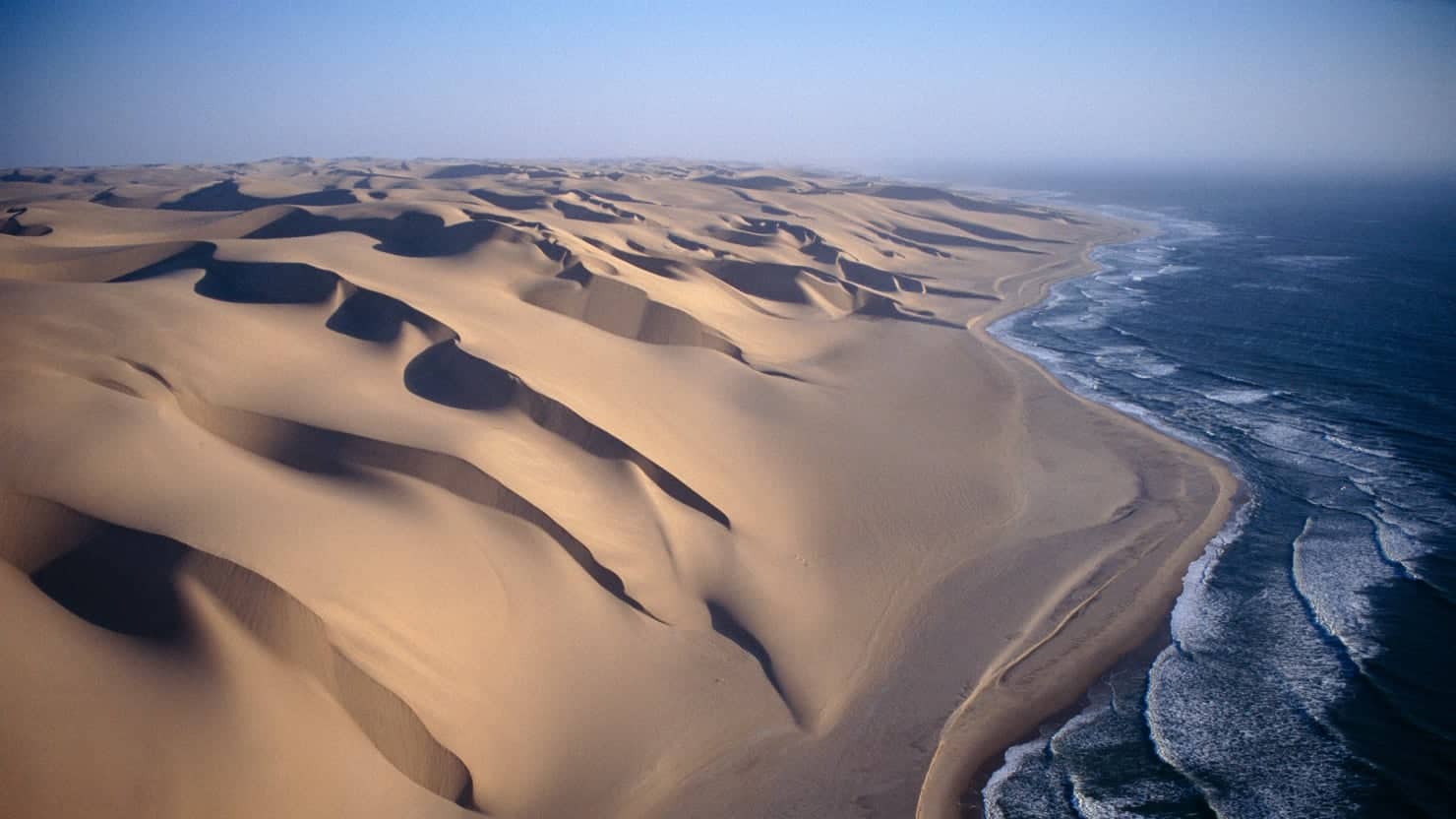
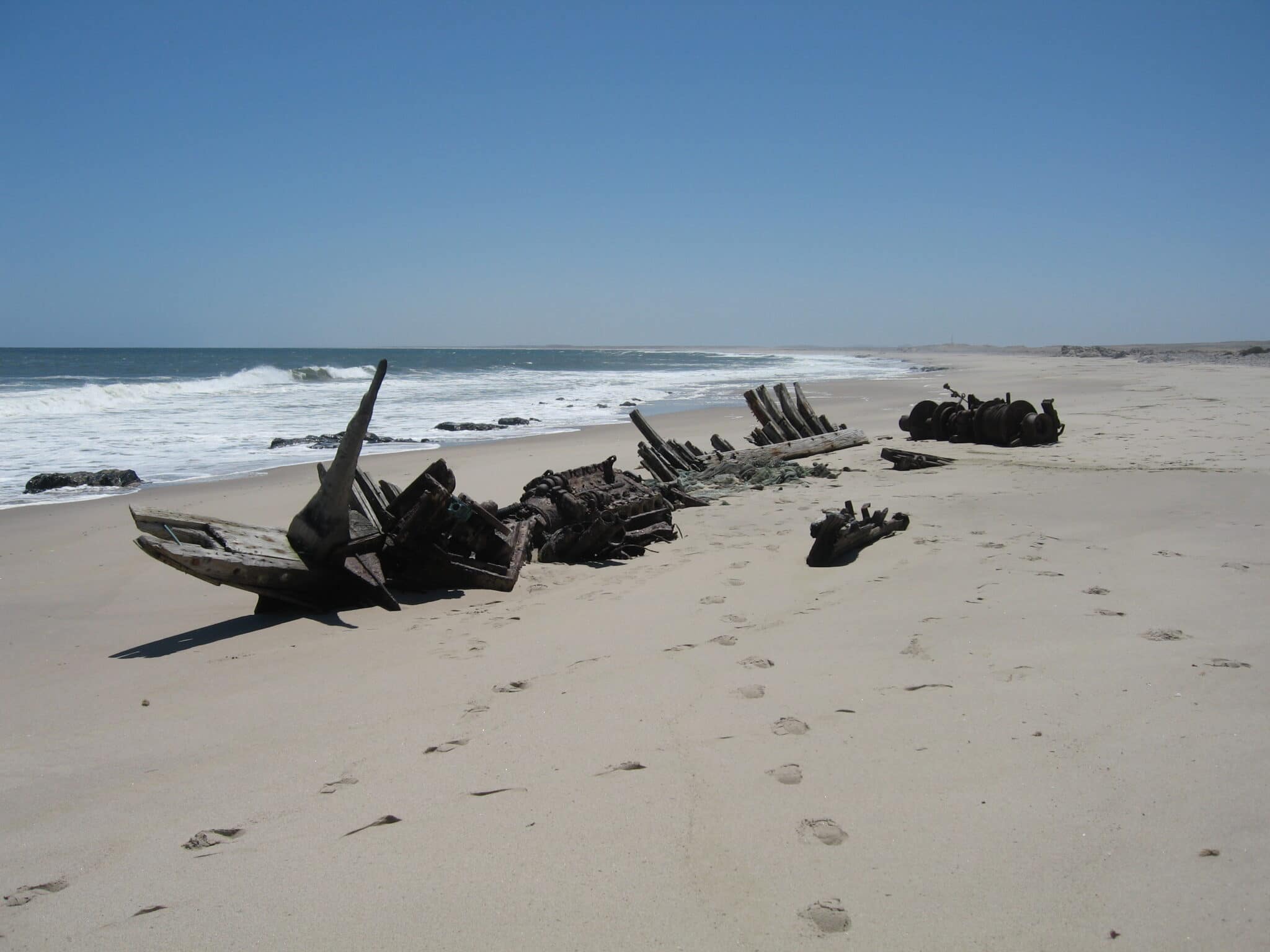
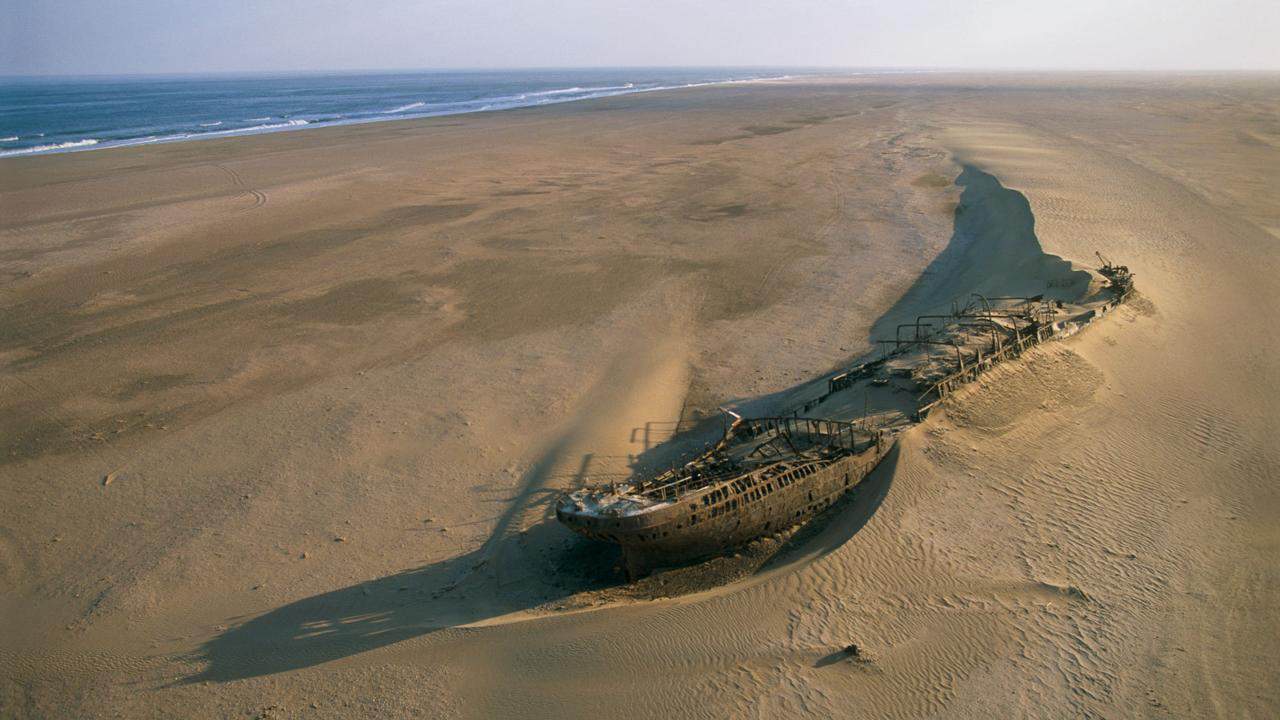
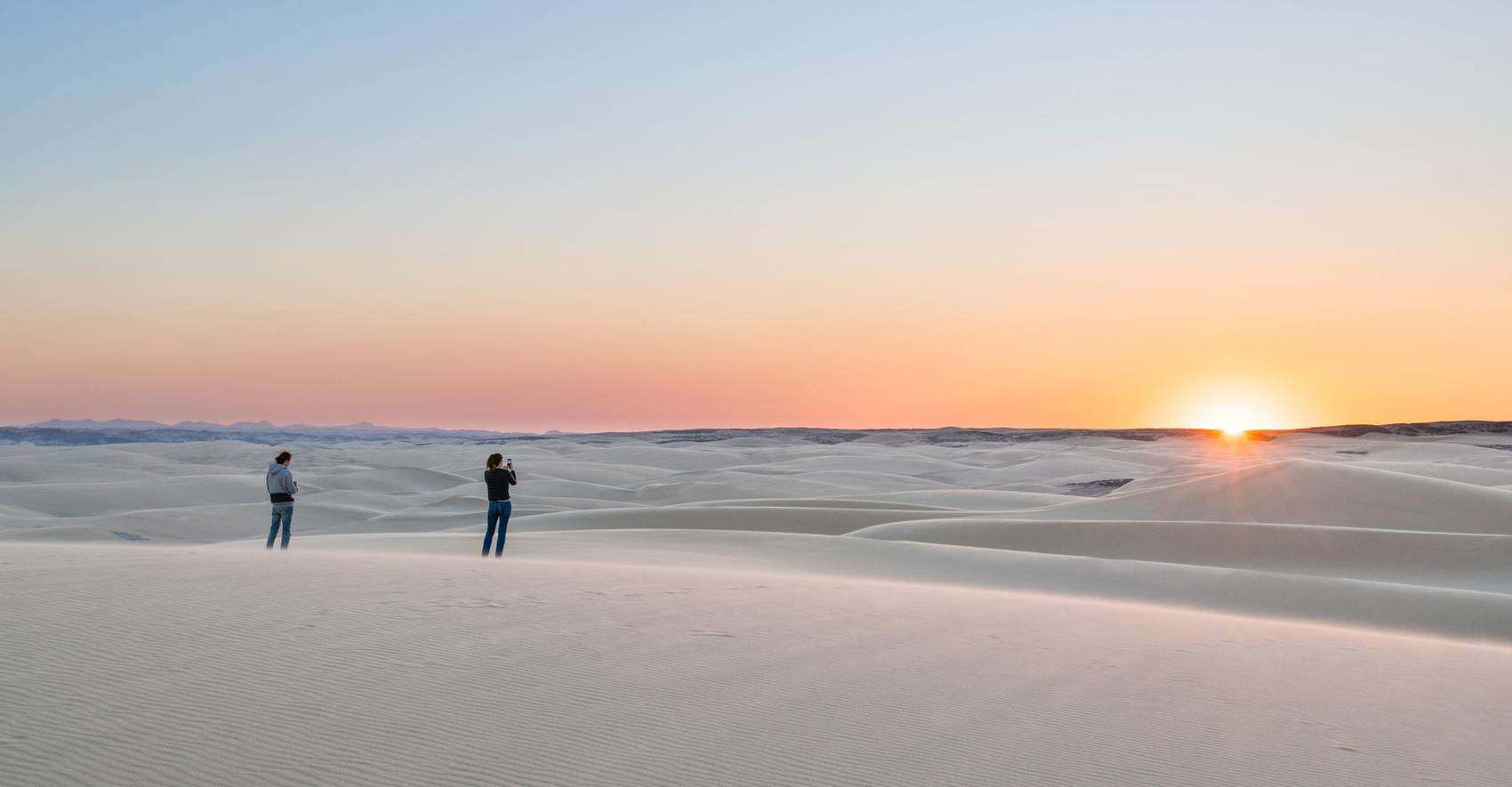
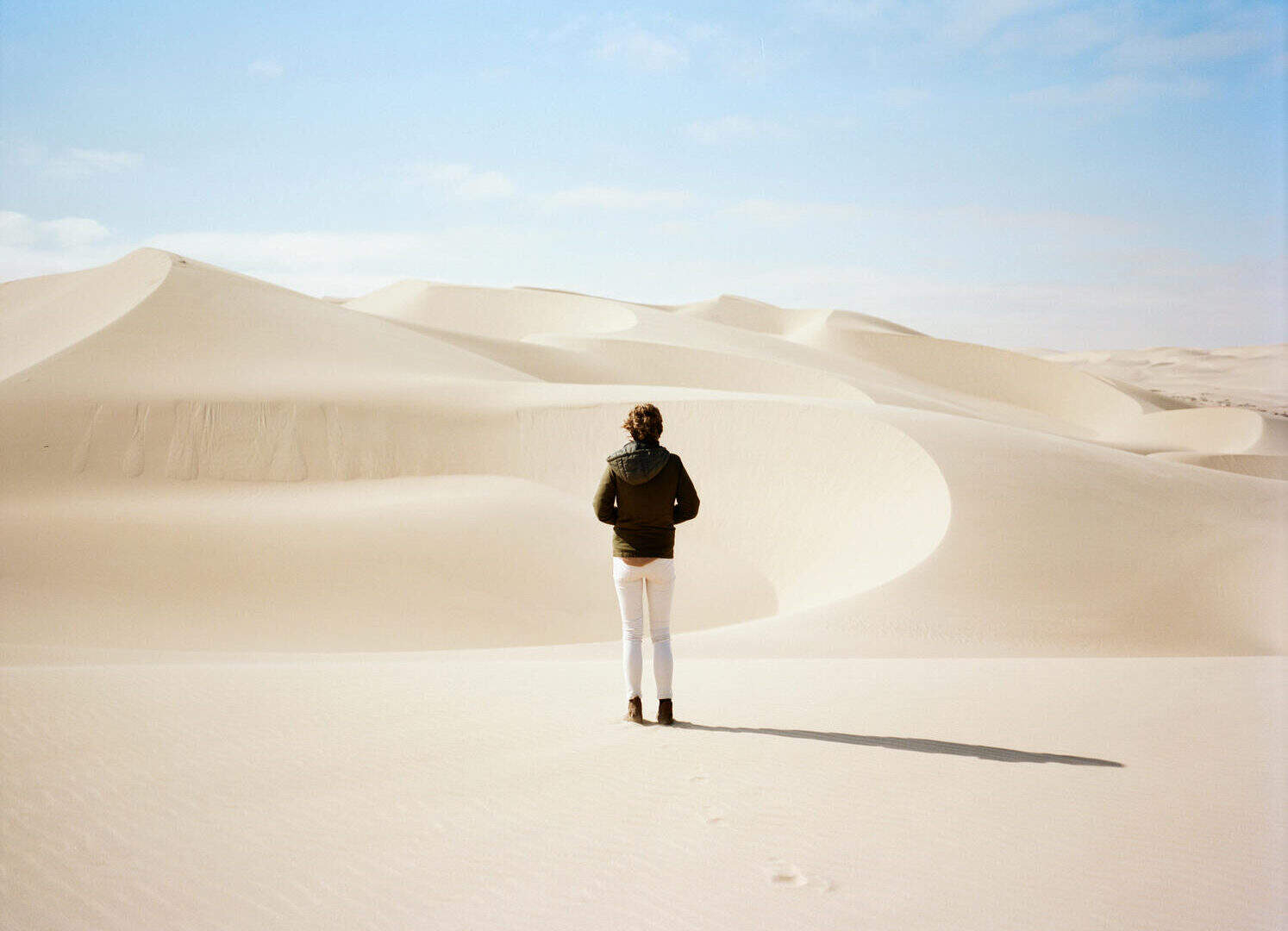
Few places on Earth feel so utterly untouched – and so defiantly wild – as the Skeleton Coast. Stretching for more than 500 km/311 mi along Namibia’s remote Atlantic shoreline, this is one of the most inaccessible, vast, and uninhabited wildernesses on the planet. Here, sand dunes meet the ocean in a swirl of mist and silence, shipwrecks lean like ghosts against the tide, and the wind seems to whisper old maritime secrets.
If you’re searching for a journey that tests your spirit and rewards your courage, a Skeleton Coast safari is an expedition that will leave you changed for the better.
Where is the Skeleton Coast?
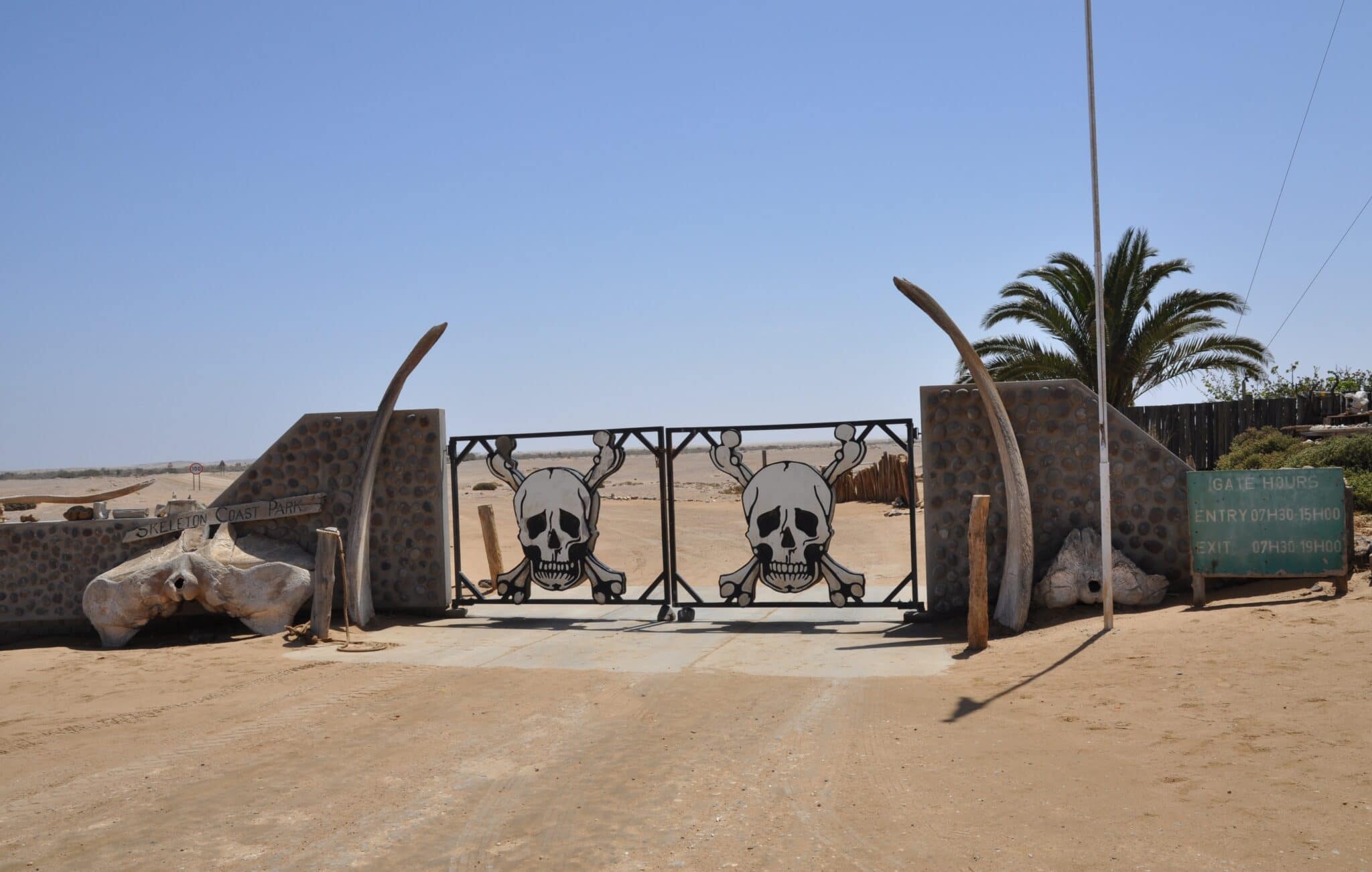
The Skeleton Coast forms the northern reaches of Namibia’s coastline, bordering the Atlantic Ocean. It begins north of Swakopmund and stretches all the way to Angola, encompassing the legendary Skeleton Coast National Park, a protected wilderness that feels like it’s on another planet.
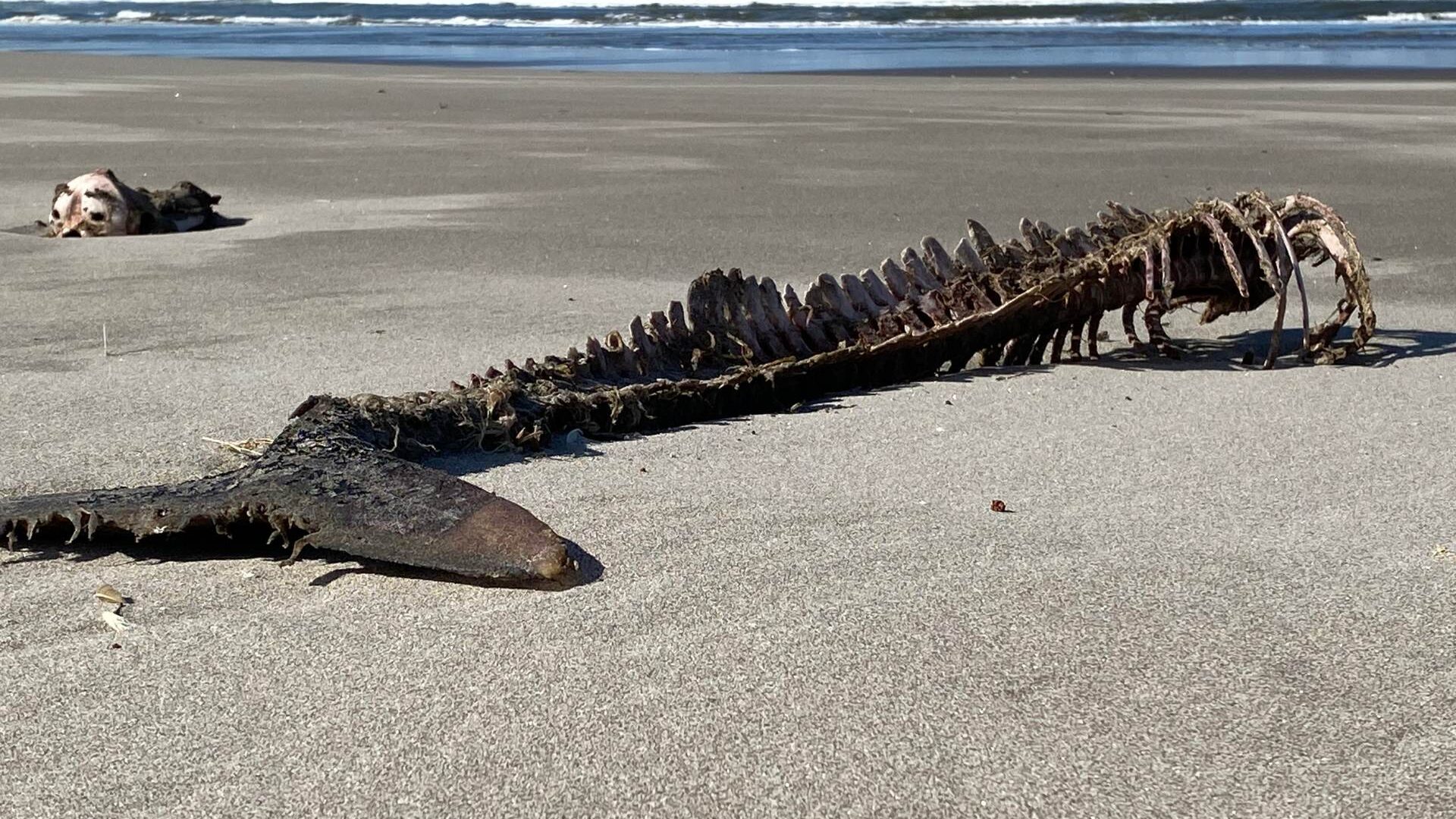
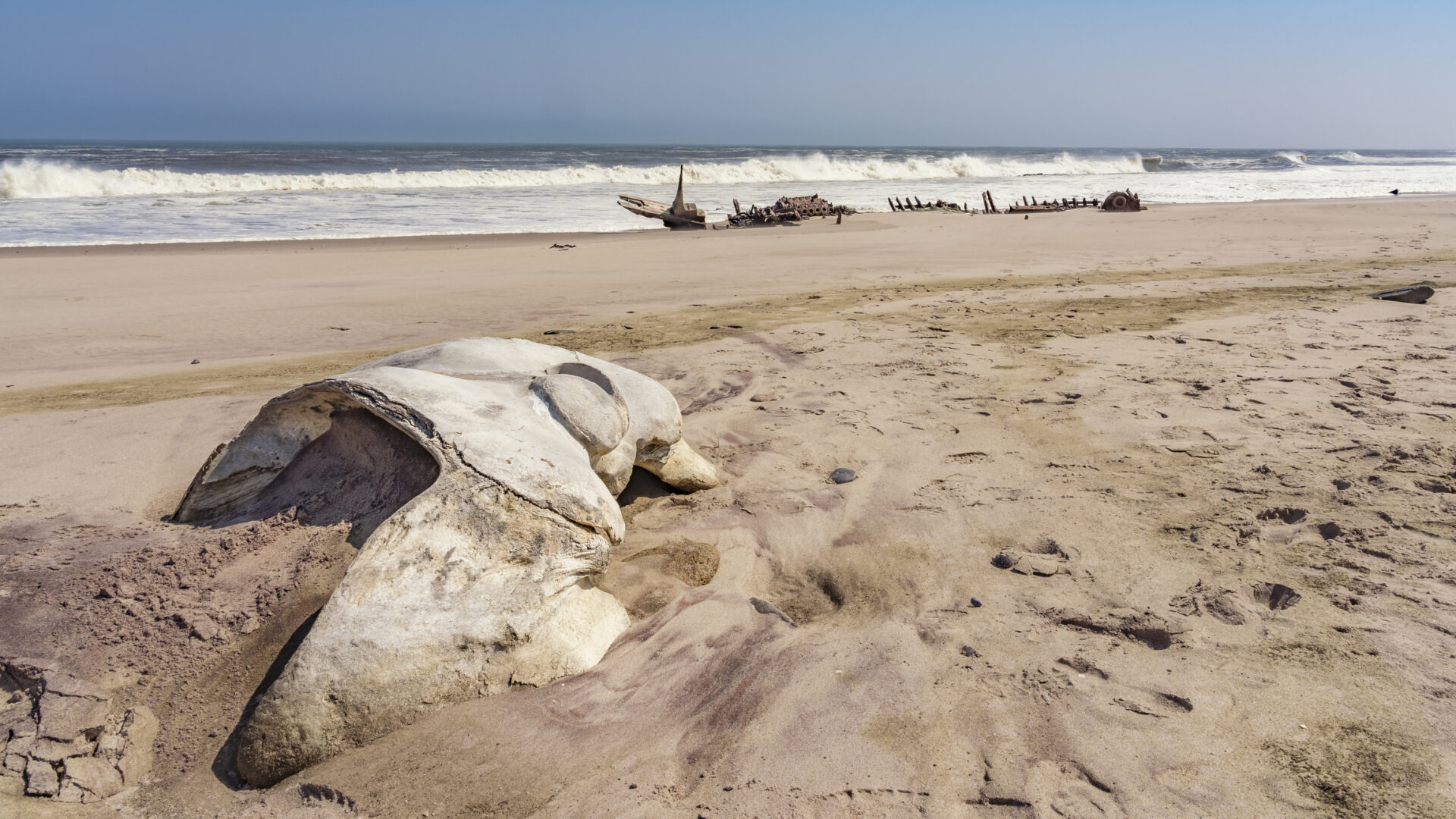
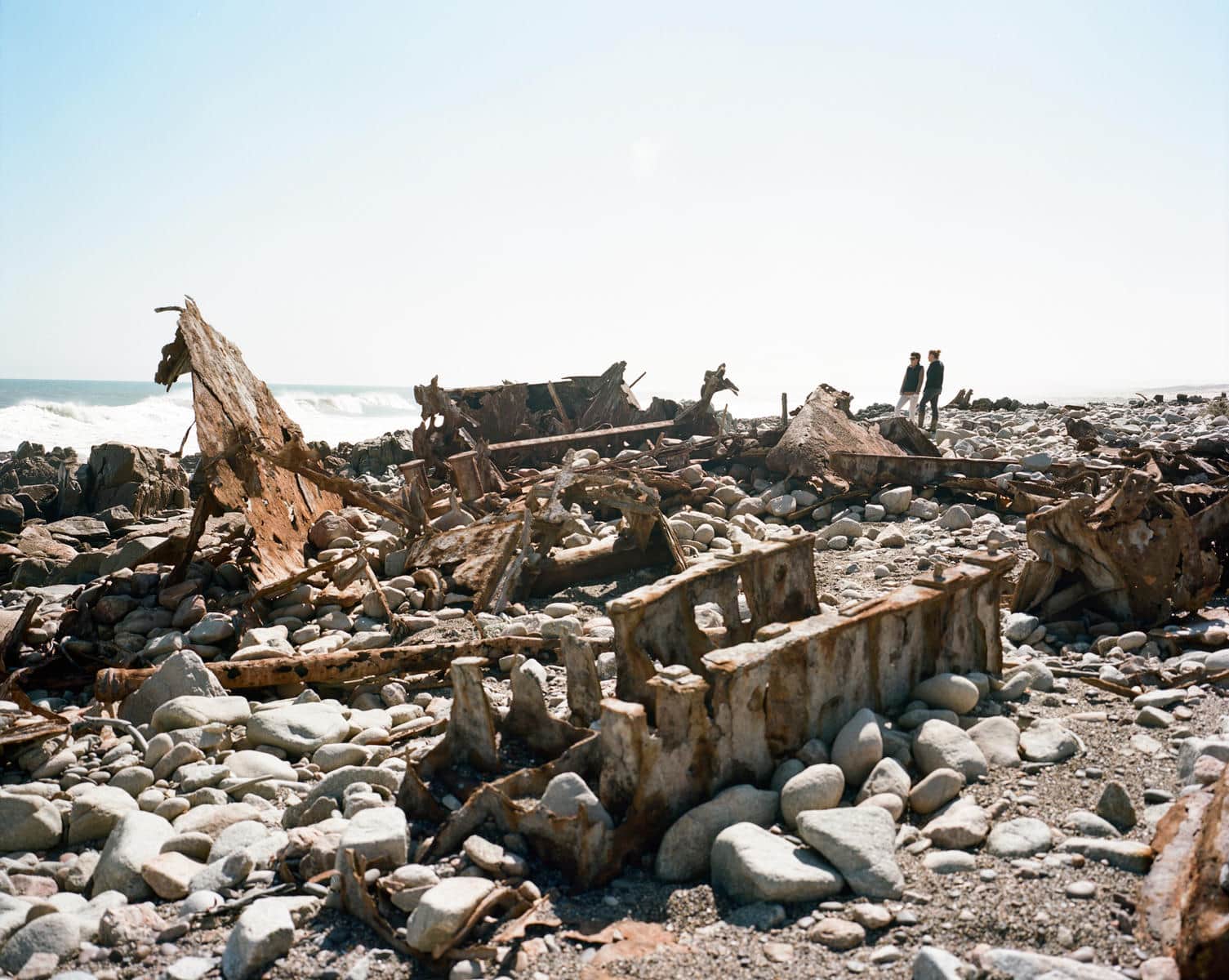
For centuries, sailors feared this desolate shore. With its roaring surf, hidden reefs, and fog so thick you could taste it, ships often found themselves wrecked long before they glimpsed land. According to legend, it got its name from the whale bones and shipwreck remains that once littered its beaches – reminders of both life and loss on southern Africa’s western edge.
That haunting beauty still defines the area today. And yet, for the few who venture here, the reward is immense: solitude, silence, and a rare glimpse into Africa at its most elemental.
The Land of Sand, Sea, and Silence
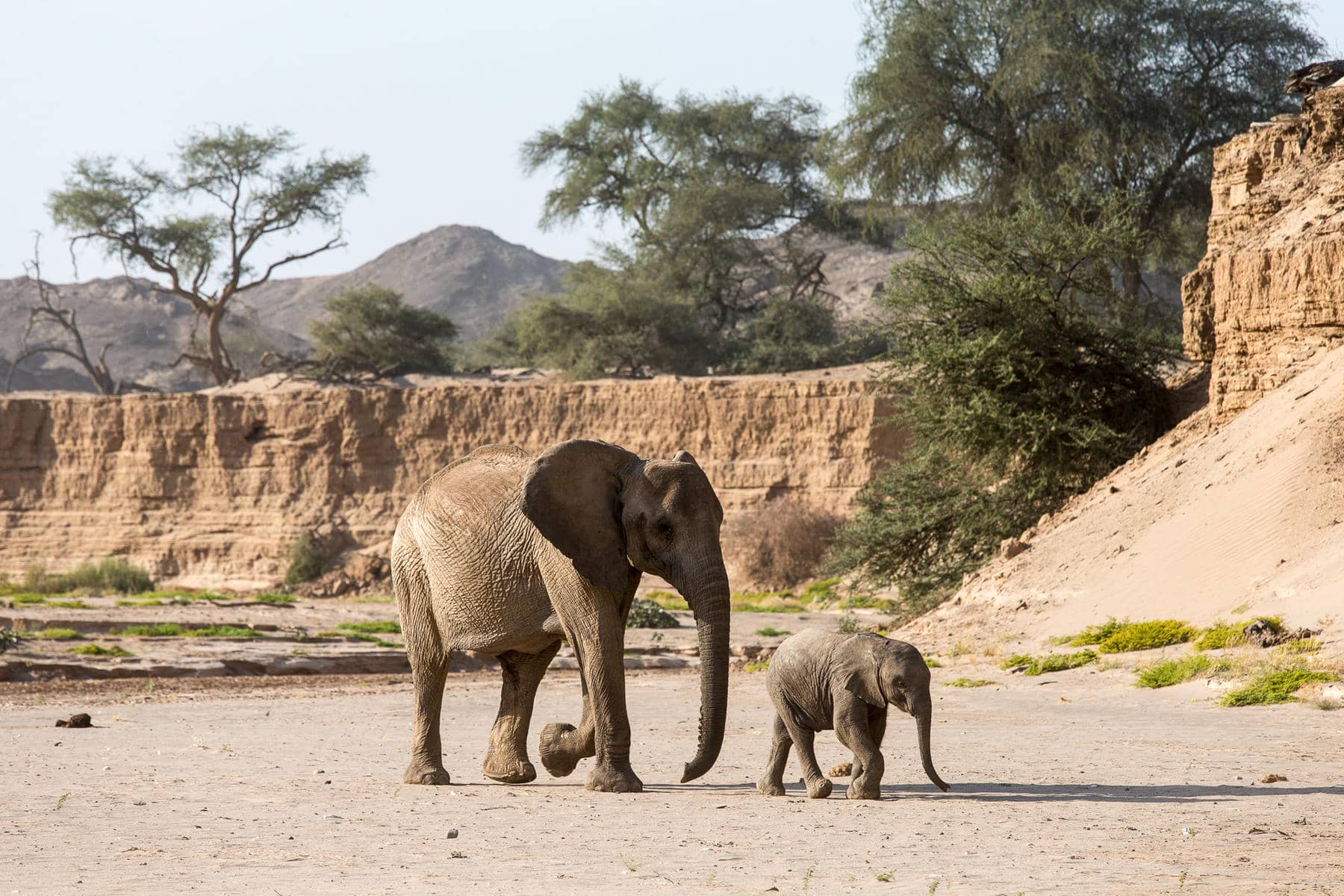
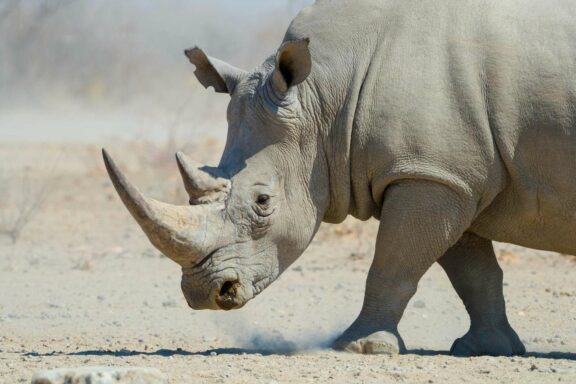
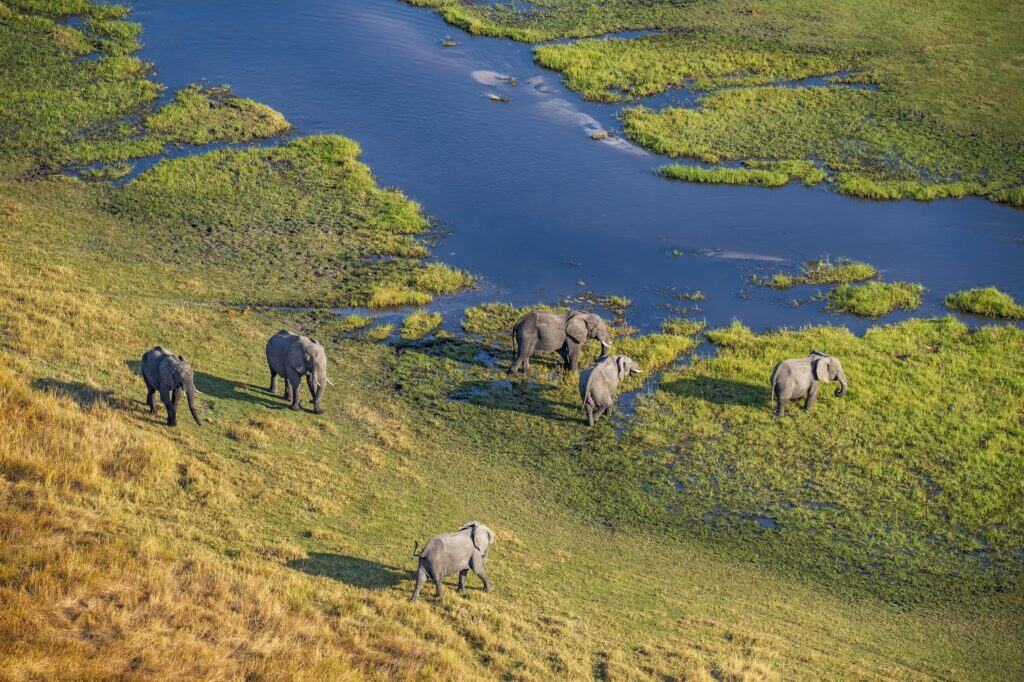
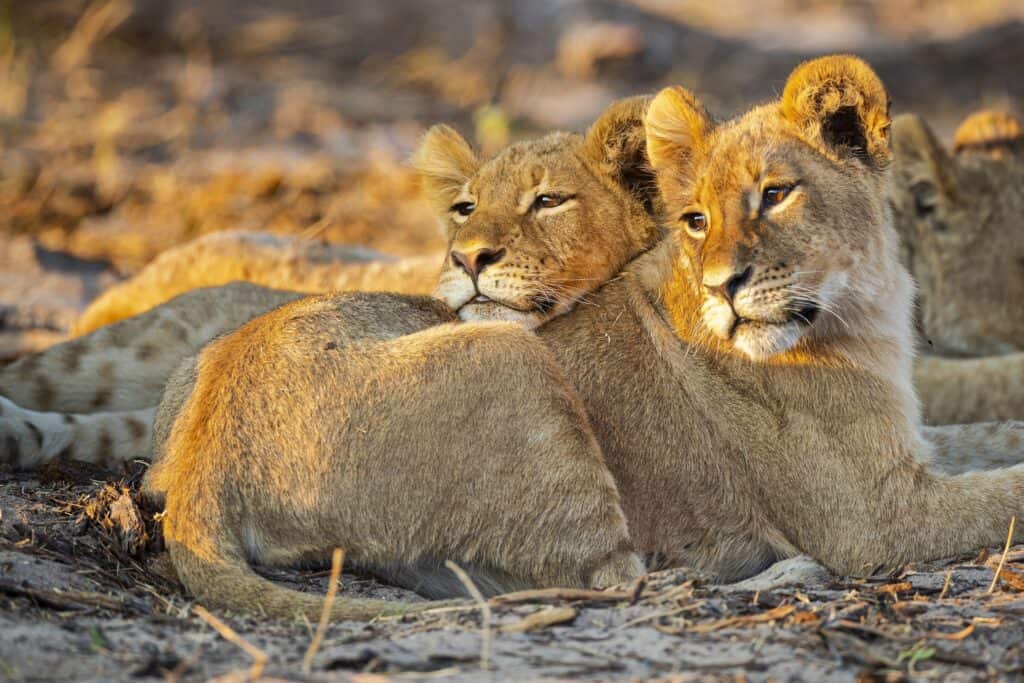
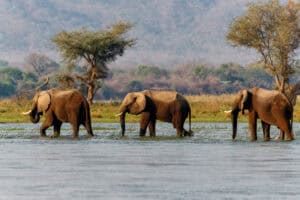
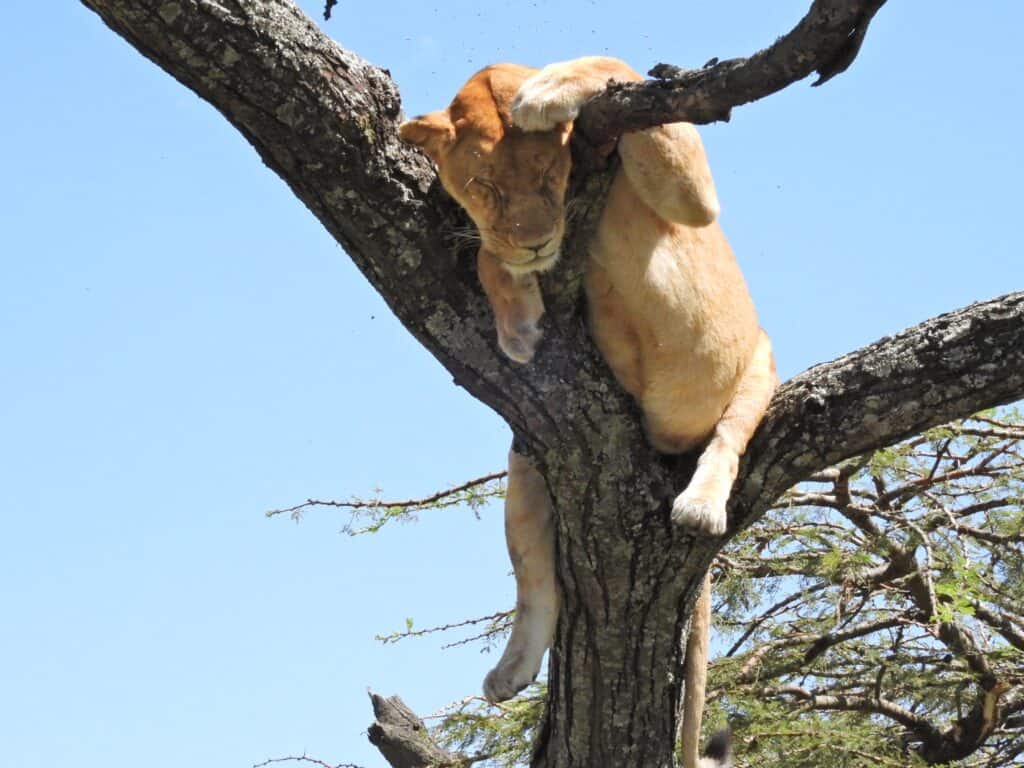
At first glance, the Skeleton Coast appears lifeless. But look closer and you’ll see how nature has adapted to these extremes. Desert-adapted lions, elephants, and brown hyenas traverse the land, surviving in one of the harshest habitats on Earth.
Spotting these animals is no easy task. Their ranges are vast and their numbers few, but the mystery makes every encounter that much more unforgettable. Watching an elephant trace a dry riverbed under the afternoon haze, or a lion padding through saltbush at dawn, feels like stumbling upon a secret the desert has kept for centuries.
It’s the rarity of these sightings and the challenge they represent that makes a Skeleton Coast safari unlike any other.
A Journey Through Time
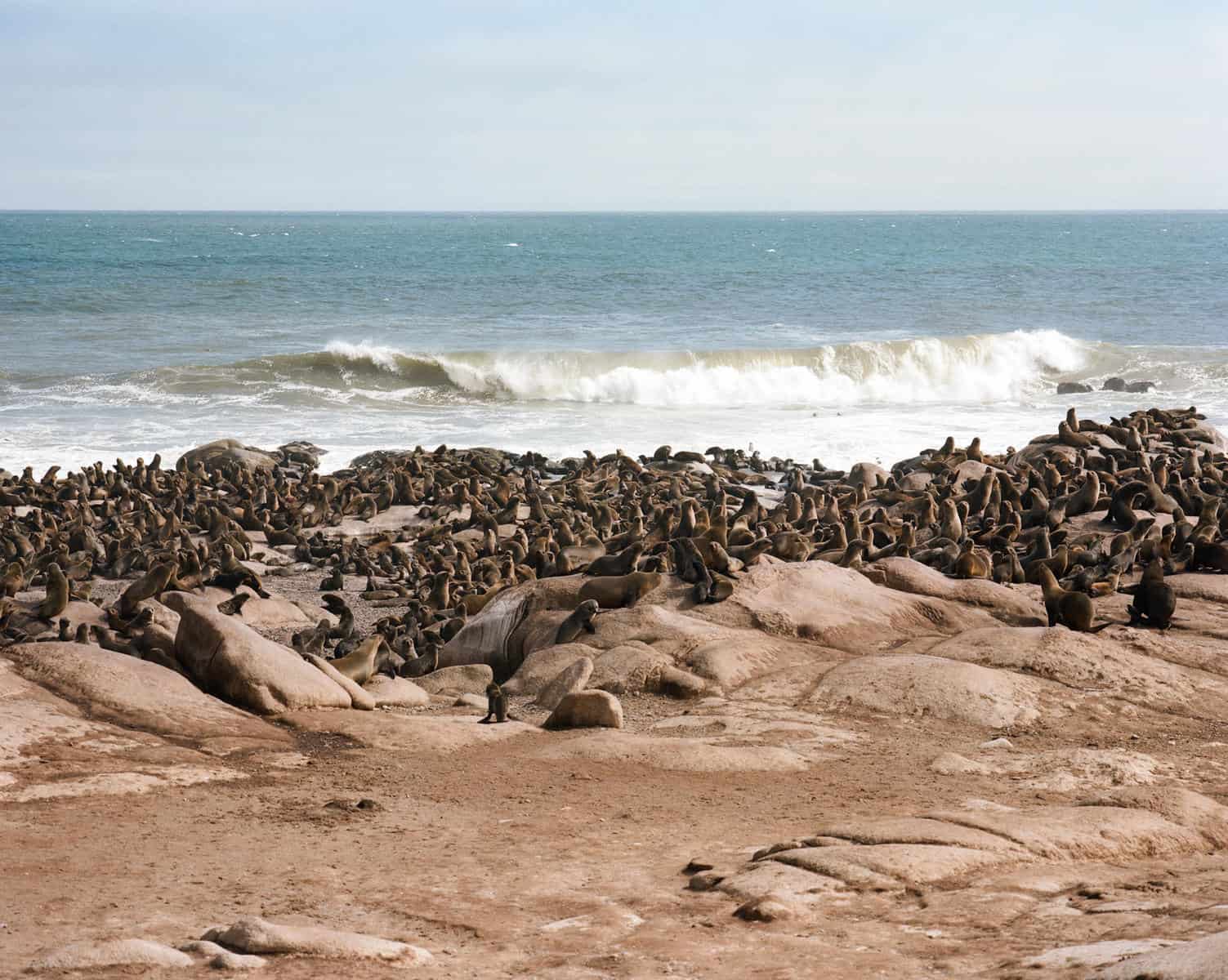
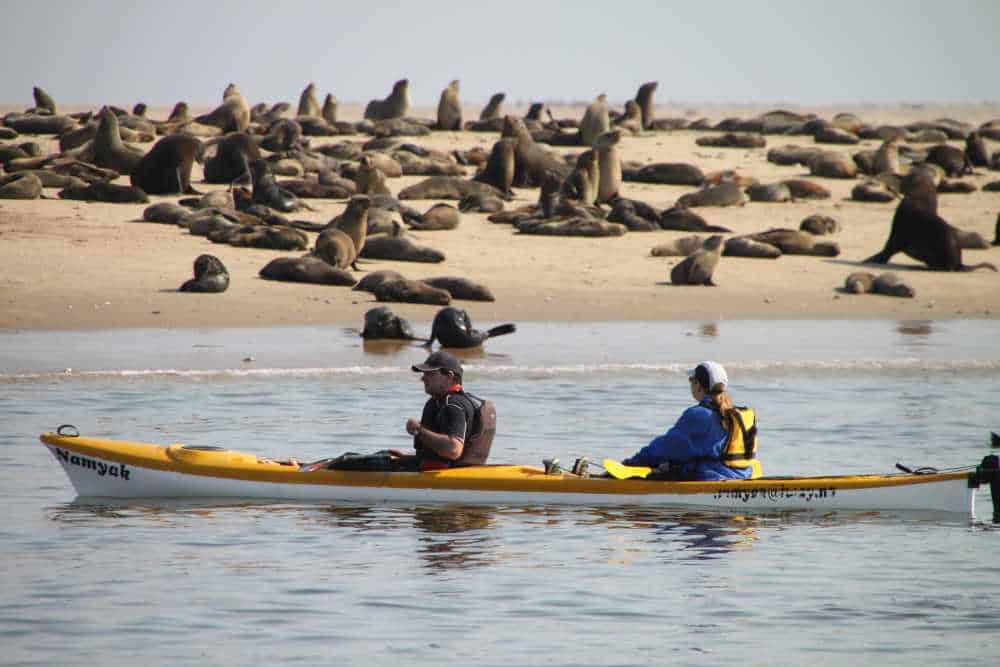
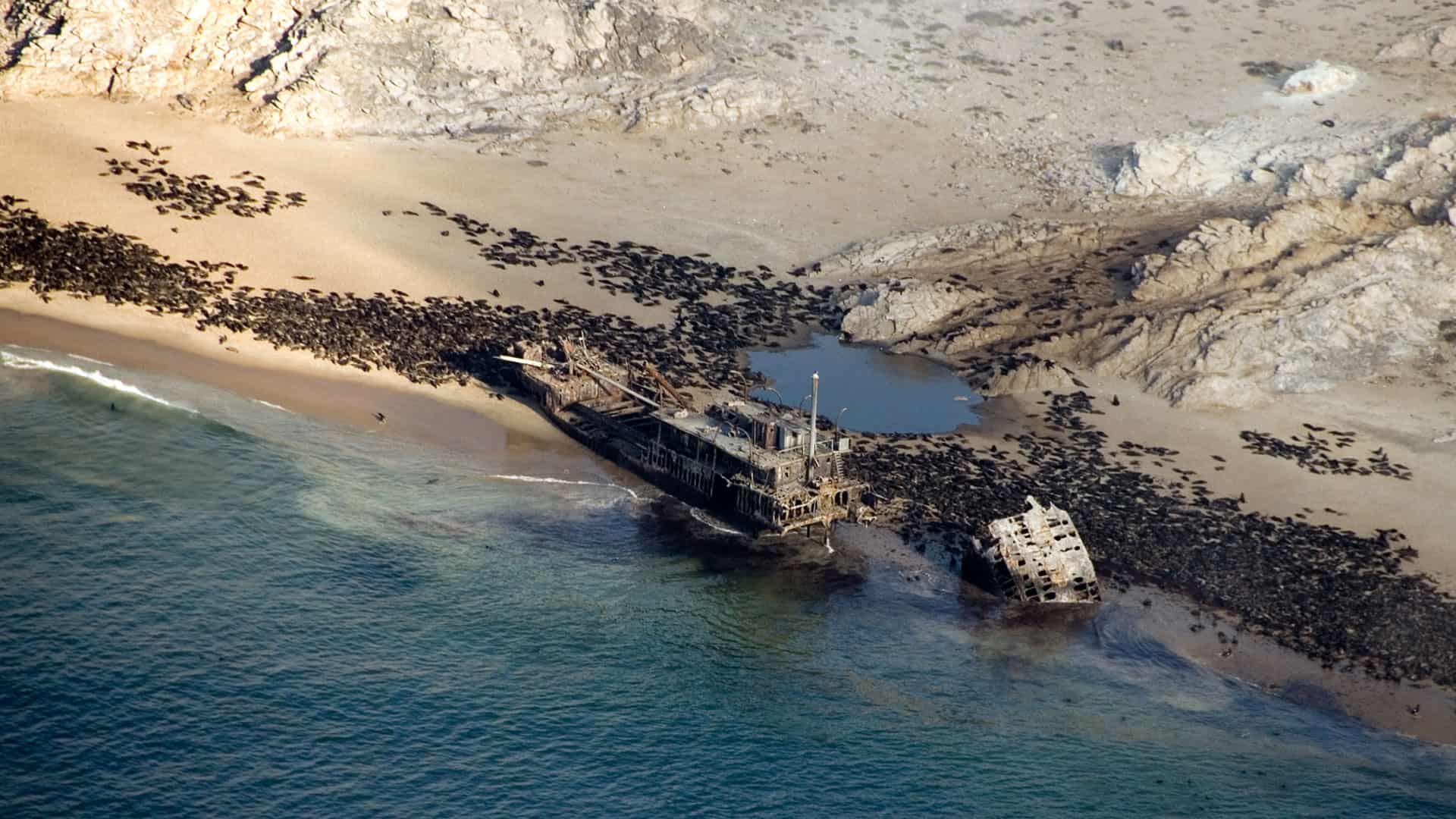
Much of the accessible Skeleton Coast lies within the Dorob National Park area, which stretches for around 200 km/124 mi north of Swakopmund. This region is home to the famous Cape Cross Seal Reserve, where nearly 200,000 Cape fur seals gather in a spectacle of noise, energy, and life. The air hums with the sound of bleating pups and crashing waves.
Cape Cross carries a deep sense of history, too. It was here, in 1486, that the Portuguese navigator Diogo Cão became the first European to set foot on what is now Namibia, erecting a stone cross to mark his discovery. Two replicas, raised in 1895 and 1980, still stand sentinel today.
This fusion of history and wilderness, of ancient footprints and untamed nature, defines the Skeleton Coast’s appeal.
The Challenge and the Thrill
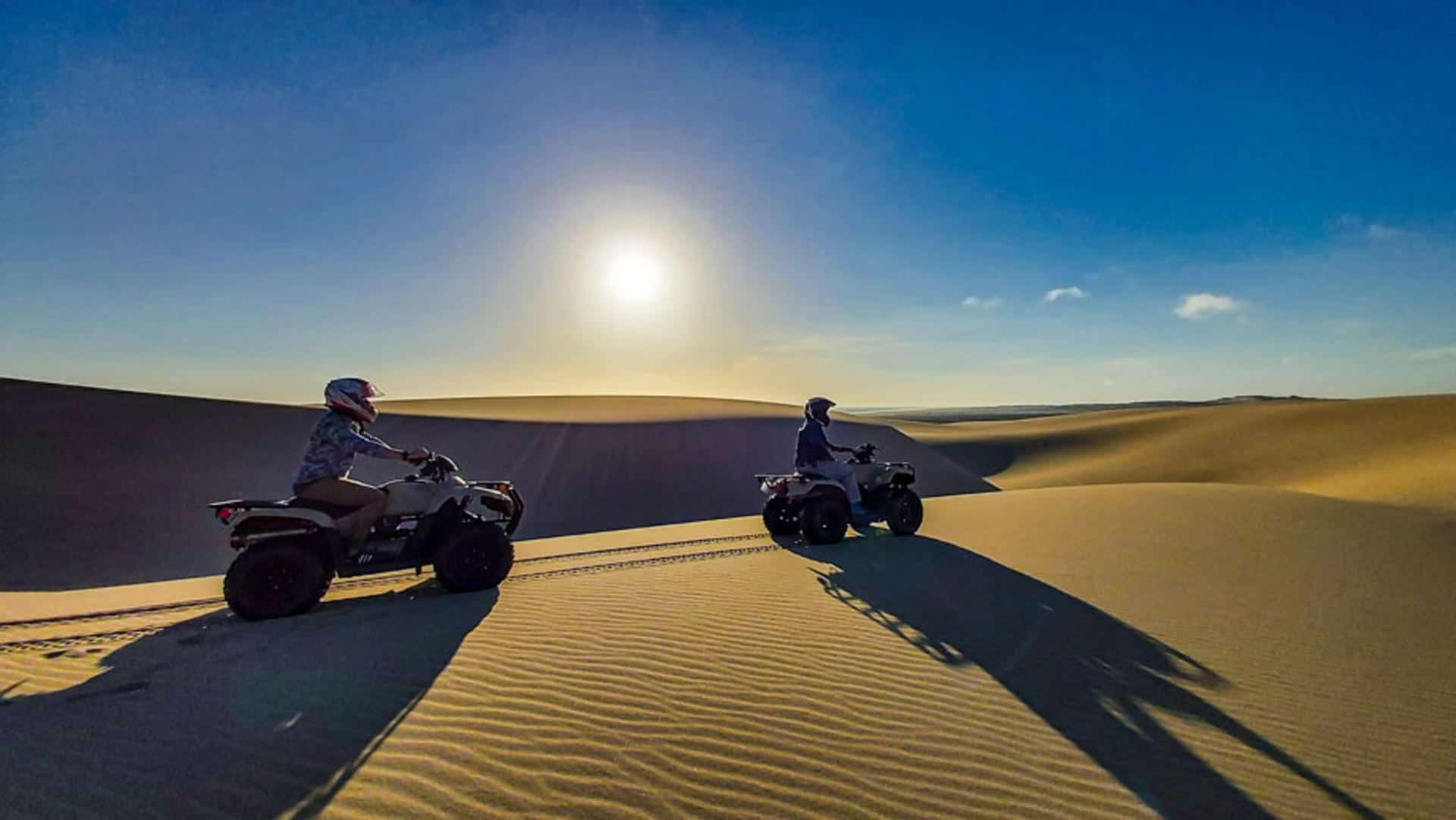
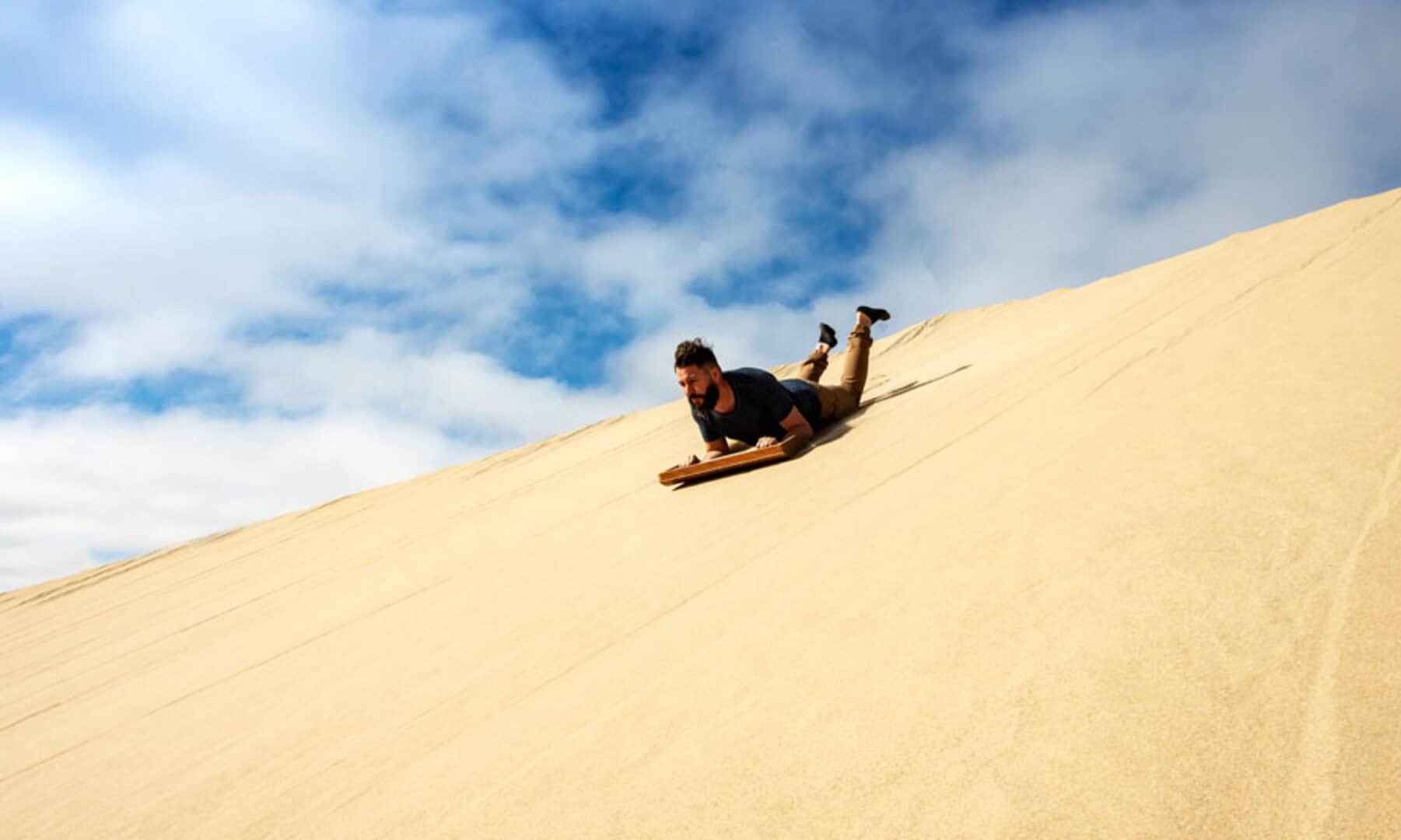
A Skeleton Coast safari is not for the faint of heart. Roads abruptly fade into salt pans, dunes shift with the wind, and the distances between landmarks can stretch for hours. But for those who crave real adventure, who long to feel tested, alive, and far from the ordinary, this is Africa in its rawest form.
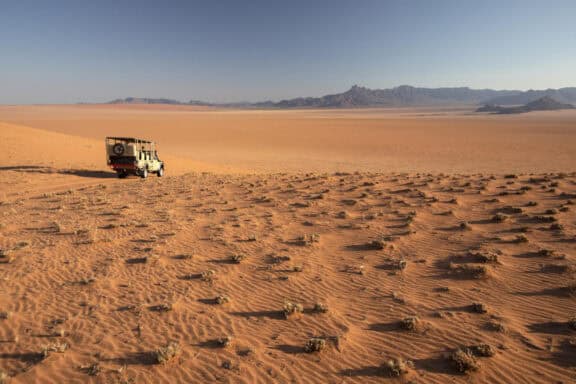
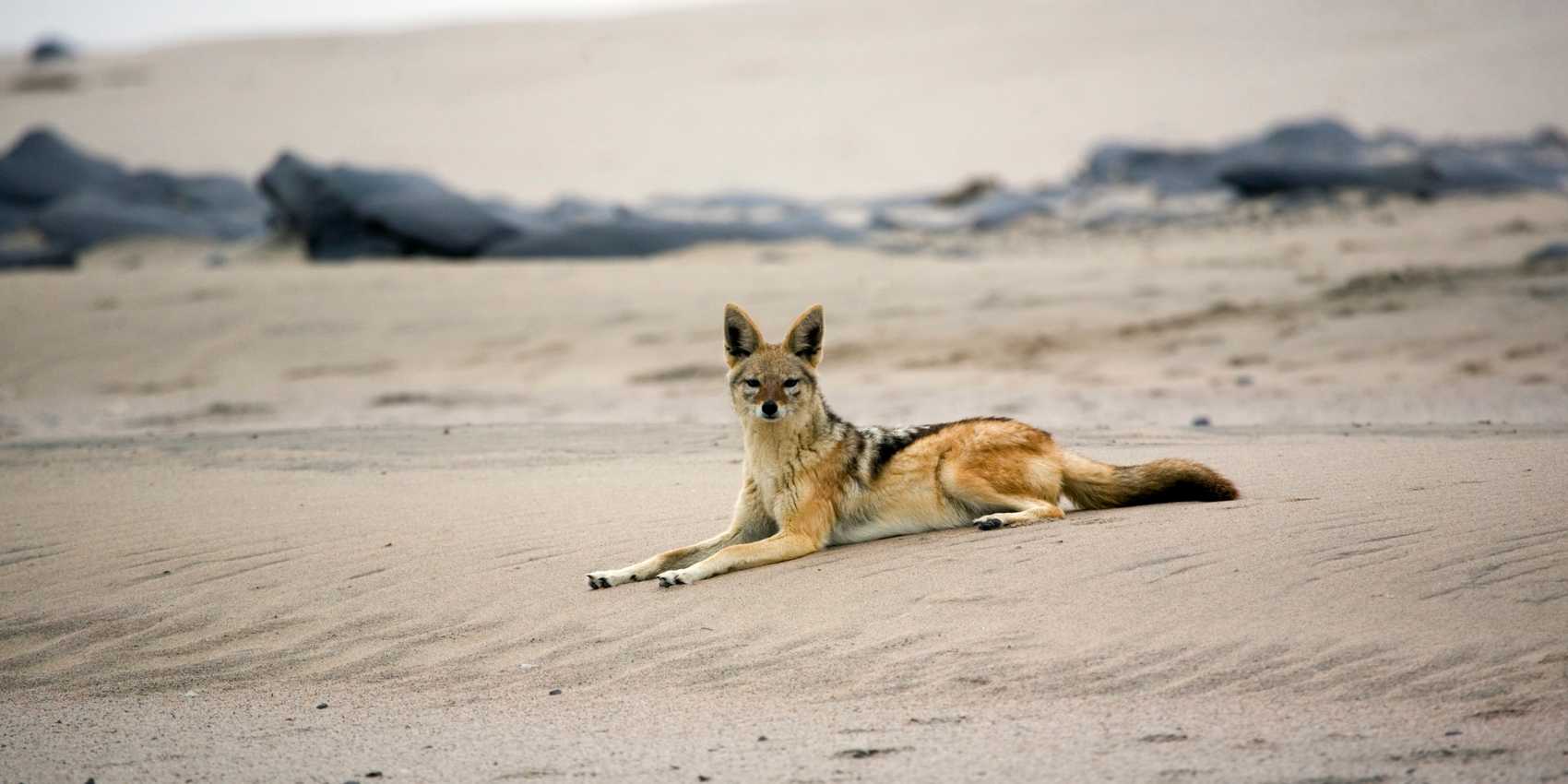
Each day here is shaped by the elements: the cold Atlantic fog that rolls inland, the sun that blazes across empty plains, and the sound of jackals calling under star-pierced skies. You might travel by light aircraft, skimming low over endless dunes and forgotten shipwrecks. From above, you’ll see why this coast has resisted civilisation for so long and why its secrets are best revealed by air.
Fly-In Skeleton Coast Safaris: How It Works
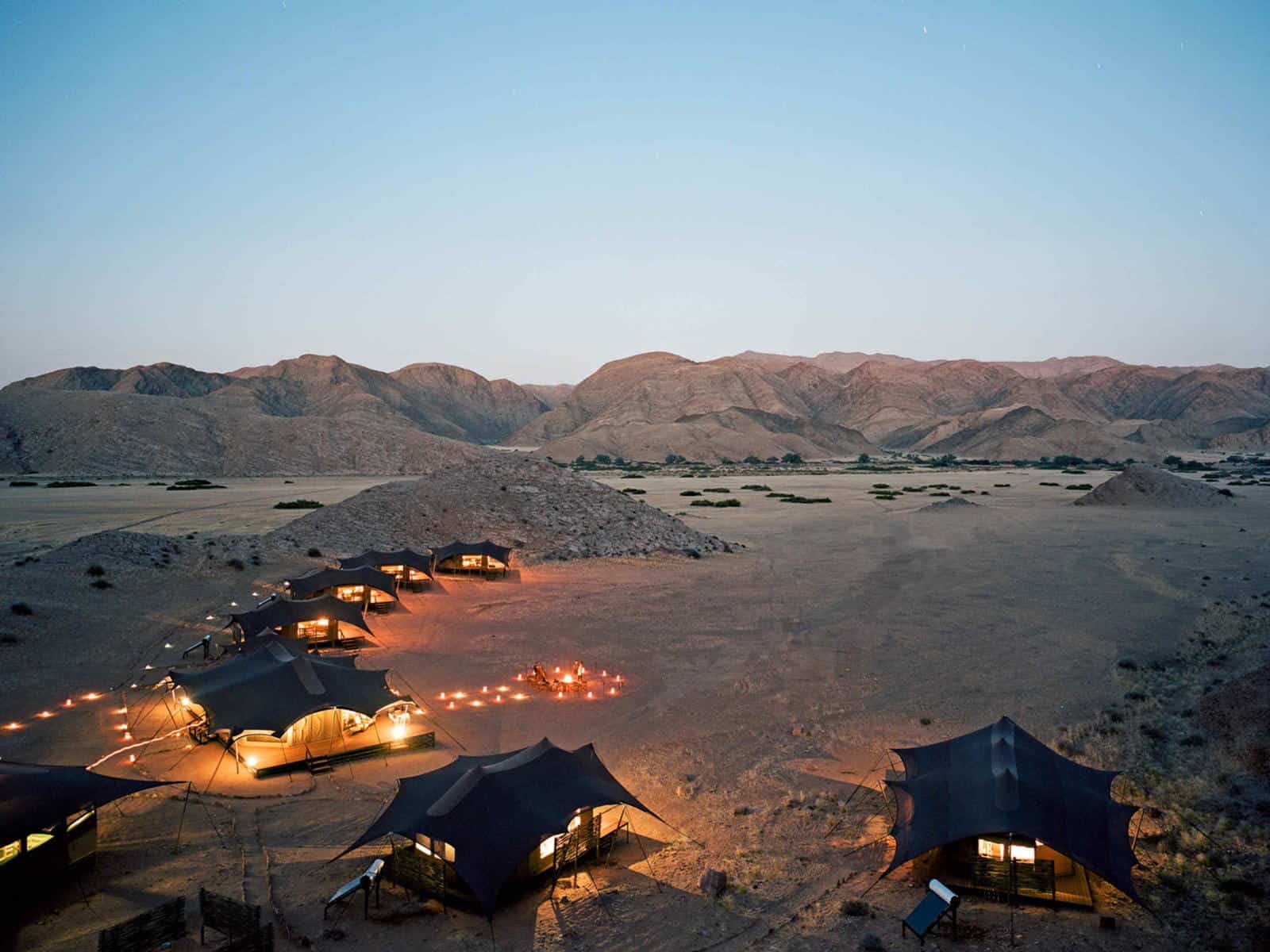
Given its isolation, a fly-in safari is the most ideal way to experience Skeleton Coast tours. In fact, it’s a practical (and thrilling) way to experience the true heart of the region. Small aircraft link remote desert camps with the coast’s farthest corners, landing on airstrips carved into the sand.
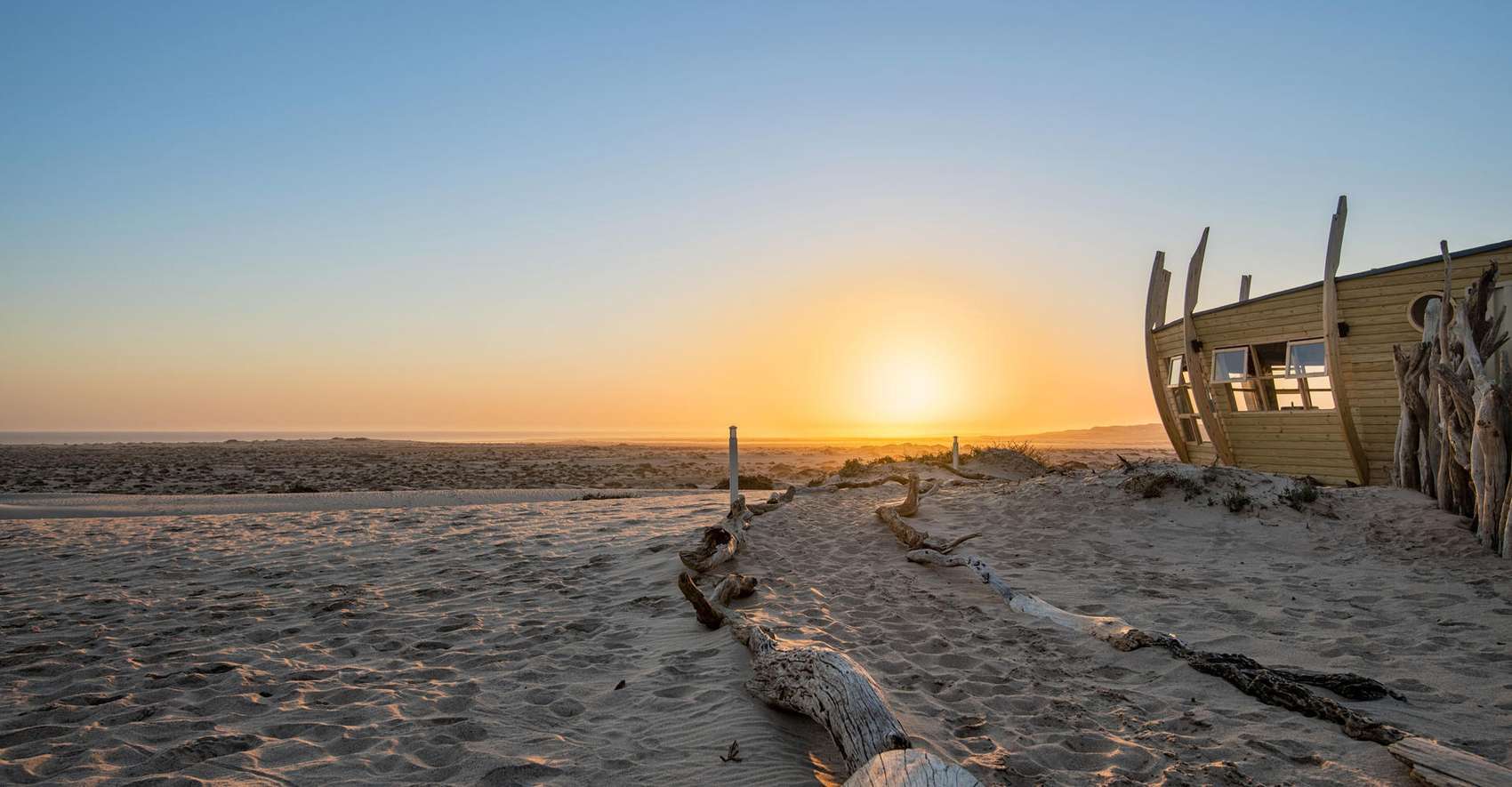
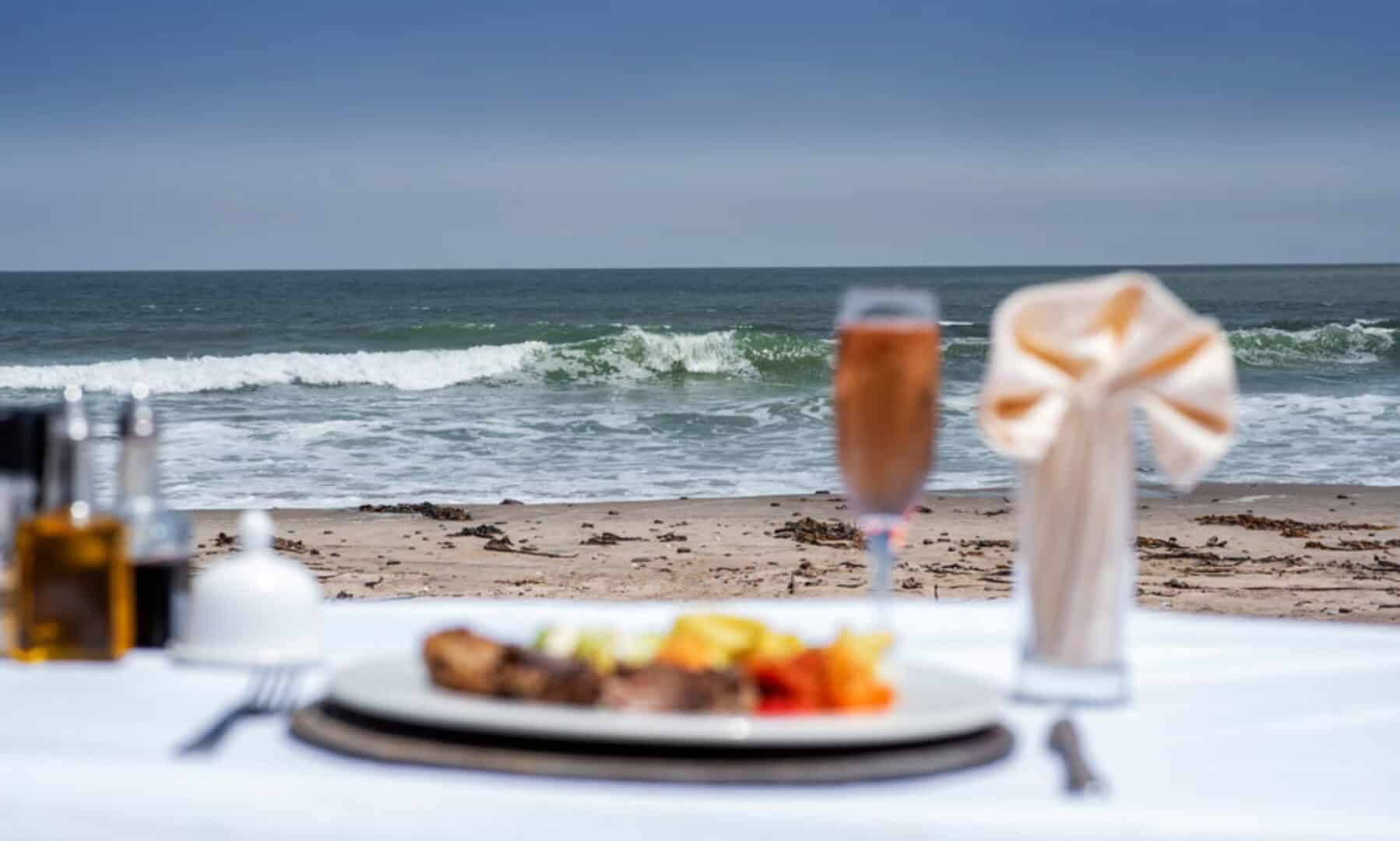
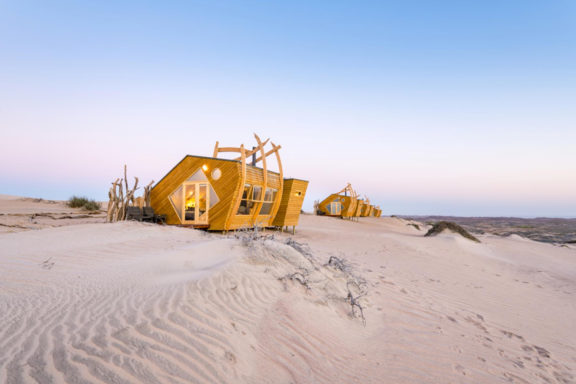
From your camp, expert guides lead daily excursions, tracking wildlife, exploring ancient riverbeds, visiting shipwrecks, and tracing the fog-wrapped shoreline. Skeleton Coast, Namibia, accommodations are surprisingly refined: canvas and wood structures blending luxury with authenticity, offering hot showers, cold drinks, and views that stretch forever.
This style of travel is exclusive, small-scale, and guided by professionals who’ve spent their lives in the Namib Desert. Safety, sustainability, and immersion are at the core, and every moment is about experiencing the Skeleton Coast as it truly is: vast, empty, and alive.
When to Visit the Skeleton Coast
May-October (Dry Season)
This cool period is considered the best time to visit the Skeleton Coast for wildlife viewing. The mornings are foggy with clear afternoon skies, and pleasant inland daytime temperatures in Damaraland and Etosha make for ideal safari options. However, the Skeleton Coast itself is notoriously damp and cold during this time of year, so pack accordingly.
November-April (Wet Season)
This season is ideal for travellers hoping to spot a variety of migrant birds flocking in to make the most of the newly emerged greenery. Cape fur seals enter their breeding season, creating potential for some unique sightings.
The Spirit of the Skeleton Coast
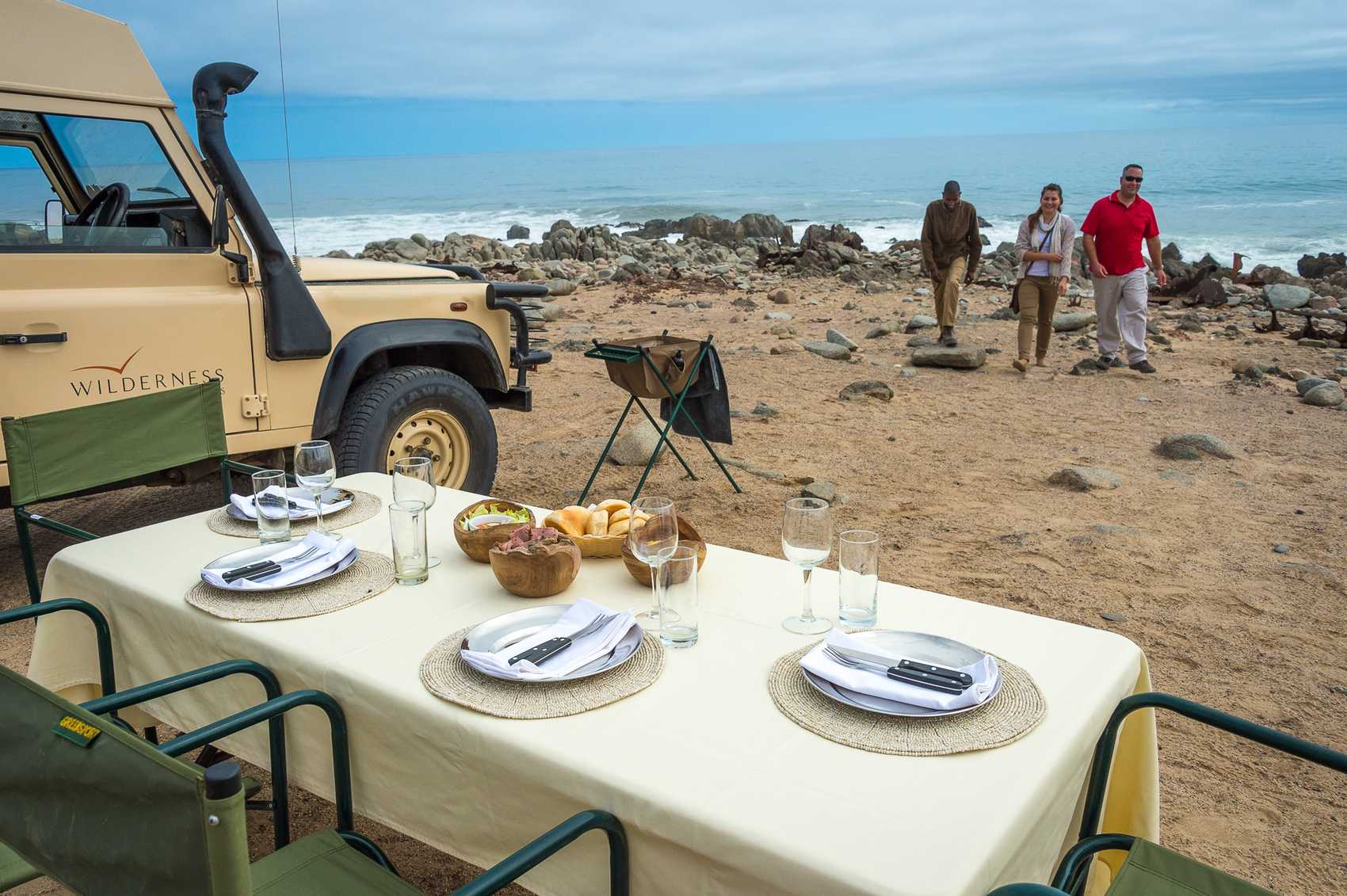
A Skeleton Coast safari is about more than sights – it’s about sensations. Imagine the feeling of wind on your face as you gaze across the expanse where the Atlantic meets the dunes, the chill of the morning fog, and the awe of seeing a lion’s paw print in the sand.
This is a place that strips travel back to its essence: you, the wild, and the silence between. Let Discover Africa’s safari experts guide you through our Skeleton Coast National Park vacation packages and craft an enigmatic adventure of a lifetime. The Skeleton Coast awaits – wild, haunting, and unforgettable.